Core Concepts of Environmental Policy

As part of our long-standing corporate social responsibility commitment, Ming Ming Aluminum has established a comprehensive environmental policy that aligns with global sustainability goals and local environmental regulations. Our environmental policy is built on two strategic pillars: environmental protection within the supply chain, and energy efficiency and carbon reduction in our casting operations.

This policy not only reflects our role as a responsible manufacturer but also supports our partners' ESG expectations and regulatory compliance. As the world moves toward stricter climate regulations and ESG accountability, we are proud to do our part—making cleaner, smarter choices every day to build a greener future together.

Supply Chain Environmental Protection

Green thinking starts from the source.

  • Promoting green procurement: We purchase aluminum ingots produced using green energy, reducing carbon emissions from the very beginning of the production cycle.
  • Strict compliance with environmental regulations: All suppliers must meet the environmental requirements set by international regulations and our internal standards. We conduct regular assessments to ensure they comply with RoHS, REACH directives, and carbon footprint reduction targets.
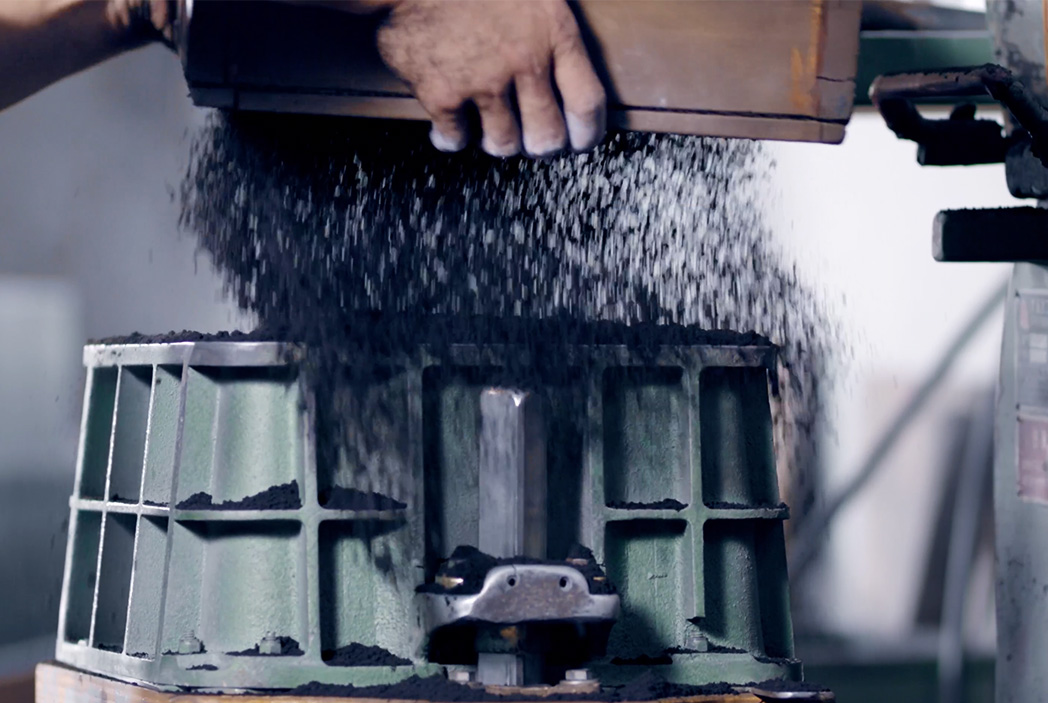
  • Innovative Casting Process: We use low-consumption, recyclable ceramic sand to print sand cores, reducing industrial waste.

Energy Efficiency and Carbon Emission Reduction

Although aluminum casting is an energy-intensive industry, we have taken proactive measures to transform into a more energy-efficient and environmentally friendly operating model.

  • Smart Energy Monitoring: In response to Taiwan's 2050 Net-Zero Emissions Policy, we proactively invested in an electricity monitoring system as early as 2017. Furthermore, we continuously optimize our production processes to improve yield rates, reduce energy consumption, and decrease emissions—demonstrating our social and environmental responsibility.
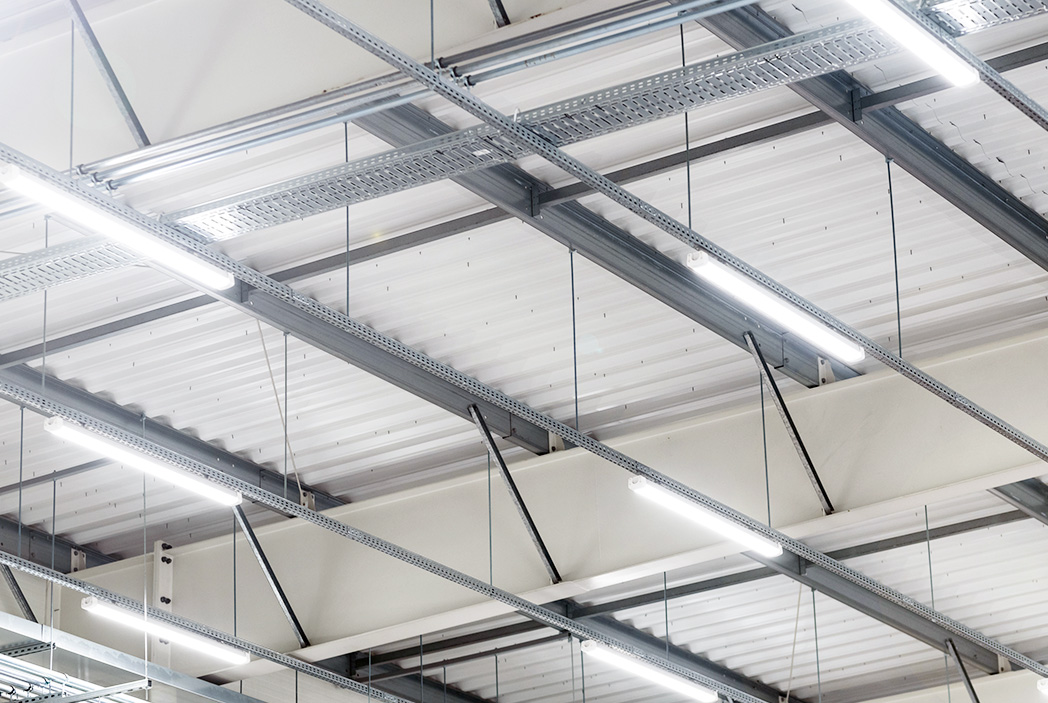
  • LED Lighting Transformation: Our factory area has replaced traditional lighting with energy-saving LED systems, significantly reducing electricity consumption while improving overall lighting quality and the working environment.
  • Compressed Air and Water System Inspection: Regular maintenance—maintaining energy efficiency and minimizing waste.

Development of Carbon Footprint Tools and Greenhouse Gas Inventory Systems

In light of global trends such as carbon taxes and environmental reporting regulations, we have invested in building systems to bring transparency and accountability to environmental data:


Greenhouse Gas Inventory Based on ISO 14064-1:2018 Standard:
We have established a detailed inventory of greenhouse gases (GHGs) and calculated them in accordance with ISO 14064-1:2018.

Our report covers:
Production and transportation emissions from the procurement of aluminum ingots and alloys
Electricity and Natural Gas Consumption
Employee Commuting and Business Travel
Waste Treatment and Disposal in the Factory Area

Ming Ming Aluminum Environmental Foundry

A More Environmentally Friendly Commuting Option

To promote sustainable transportation, we encourage employees to use public transportation or walk/bike to work, thereby reducing carbon emissions and energy use.

A Commitment to a Green Future

Ming Ming Aluminum believes that environmental protection is not only a responsibility, but also an opportunity to drive innovation, enhance resilience, and make a meaningful contribution to a sustainable global economy. We are committed to sustainable development and environmental protection.

We believe that environmental policies are crucial to ensuring the long-term success of our company and the well-being of our stakeholders. We will continue our efforts to reduce our environmental impact and promote sustainability at all levels of our operations.

Sustainability is a core value of ours. We believe that protecting the environment brings real business value—helping us stay strong, resilient, and prepared for the future. By improving processes, using resources wisely, and maintaining transparency, we are turning environmental responsibility into opportunity.