Gravity Casting Production Process: A One-stop Perfect Refinement from Concept to Mass Production
As a leading global supplier of aluminum alloy gravity castings, Ming Ming Aluminum understands that high-quality products begin with rigorous process management. Our entire team adheres to TORS principle. Ming Ming 's aluminum alloy recasting production process transforms each customer's drawings into high-performance physical parts. It begins by confirming customer needs and discussing the castability of the required castings with the customer. Next comes mold design confirmation and manufacturing, as well as a rigorous process. Finally, it proceeds to mass production and subsequent processing.
[Core Values: TORS Excellent Service Architecture]
The entire Ming Ming team has always adhered to TORS Four Core Principles. This is not only our commitment, but also the benchmark for our daily operations:
- Top Quality: By adopting data-driven processes and using automation technology, we ensure that the density, strength, and dimensional accuracy of each casting reach the industry's peak.
- On-time Delivery: Optimize production scheduling and supply chain management to ensure accurate delivery to customers despite global logistics challenges.
- Reasonable Price: By leveraging high yield rates and automated production efficiency, we reduce material waste and labor costs, providing our customers with the most competitive cost advantage in the market.
- Sincere Service: From technical consultation and development collaboration to after-sales support, we build long-term, mutually trusting partnerships through proactive and transparent communication.
1
Confirm customer needs and discuss the castability of the required castings with the customer.
-
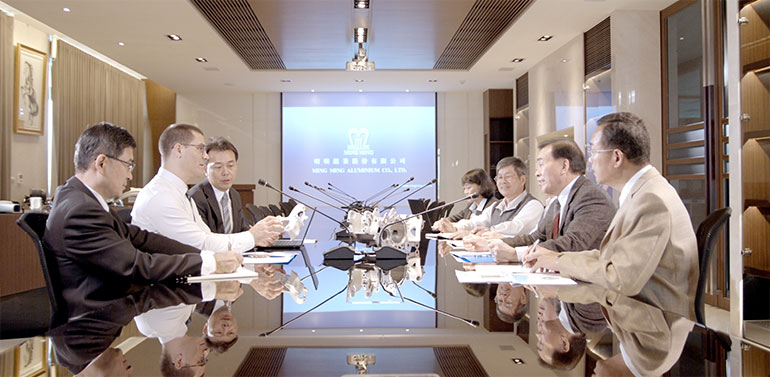
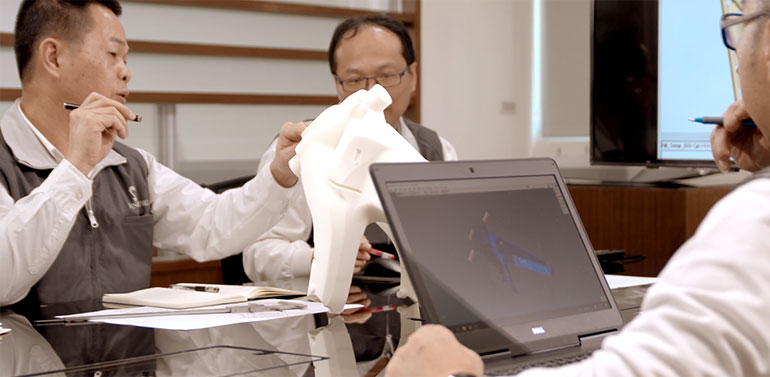
We need potential customers to provide 2D drawings and 3D CAD models for technical review. If additional casting machining is required, we also need the machining design drawings.
-
This discussion and technical review process confirms the castability of the required castings and ensures that the castings meet customer requirements.
2
Mold Flow Analysis and Mold Prototyping
-
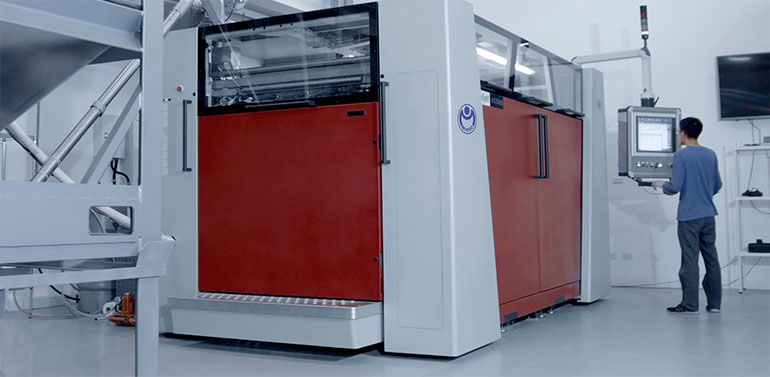
Once the design is confirmed, we will use methods such as wooden molds or 3D printing to create simple molds.
-
During this stage, sand core prototypes may also be made. Currently, due to technological advancements, molds are sometimes made directly using 3D printing.
- Produce a small number of samples for customers to confirm whether they meet their needs or require design adjustments.
3
Mold Making
-
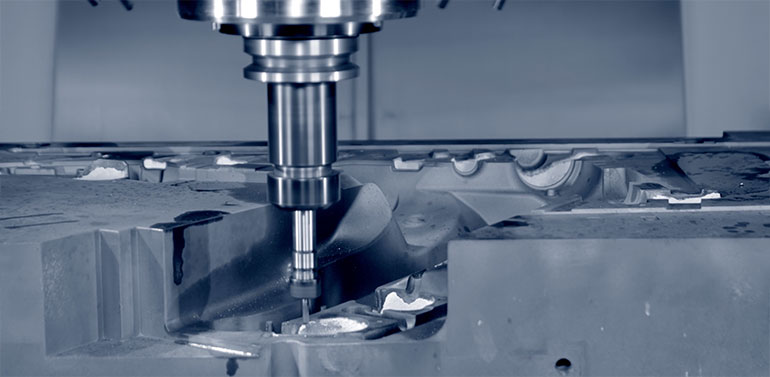
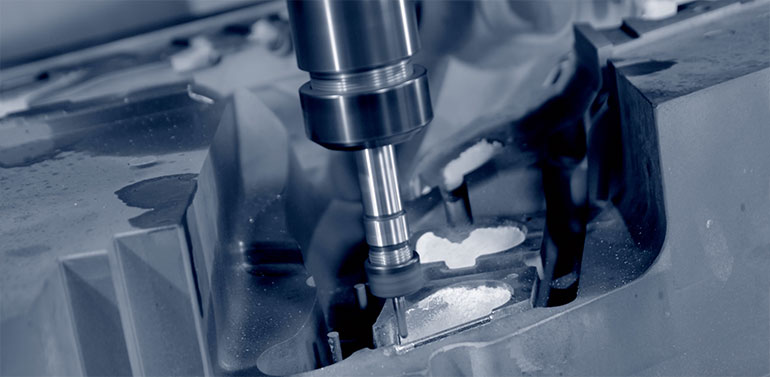
Once the mold design is confirmed, reusable metal molds and sand cores can be manufactured.
-
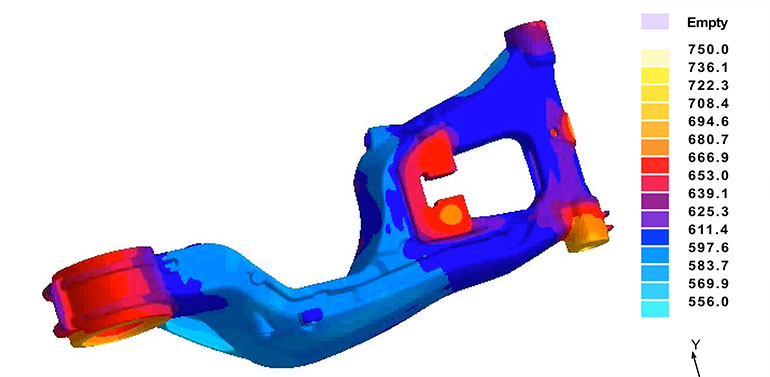
During the formal mold making process, CAD will be used to simulate the process of pouring liquid metal during casting to ensure the process and casting quality during mass production.
-
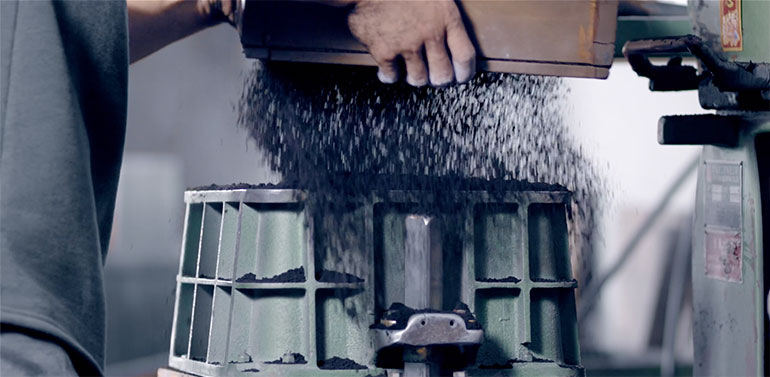
Ming Ming Aluminum's gravity casting molds are made using steel molds, and sand cores are simultaneously made by mixing sand and thermosetting resin to help form the required hollow spaces inside the casting.
4
Customer Confirmation of Samples and Product Approval Procedure (PPAP)
-
After the metal molds and sand cores that have been made are used to create samples, they are sent to the customer for confirmation along with the product approval process.
-
Once Ming Ming receives confirmation from the customer regarding the PSW (Power Supply Works), it can proceed to the mass production stage.
5
Mass Production: Aluminum Ingot Melting and Automated Casting to Produce Castings
-
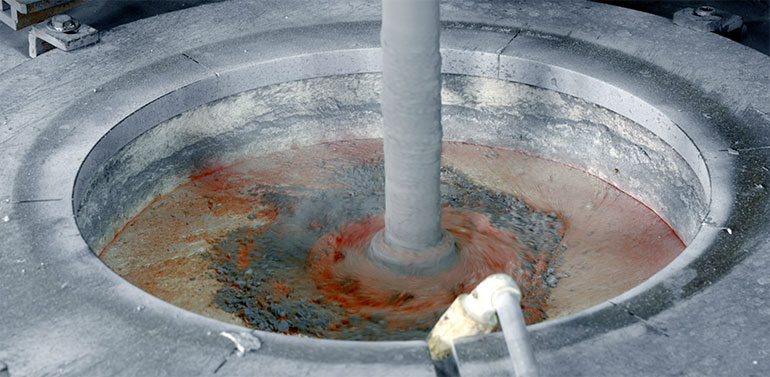
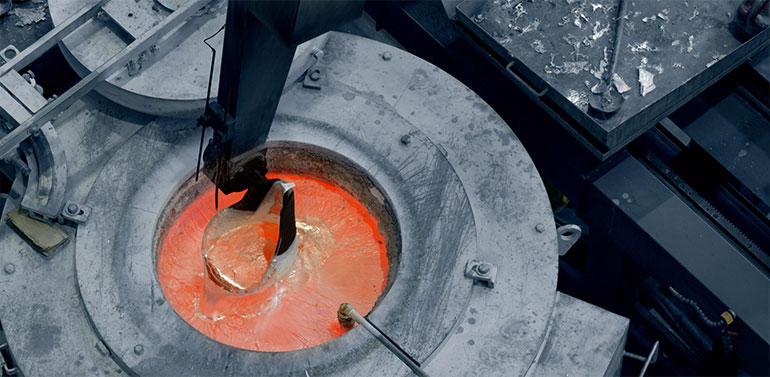
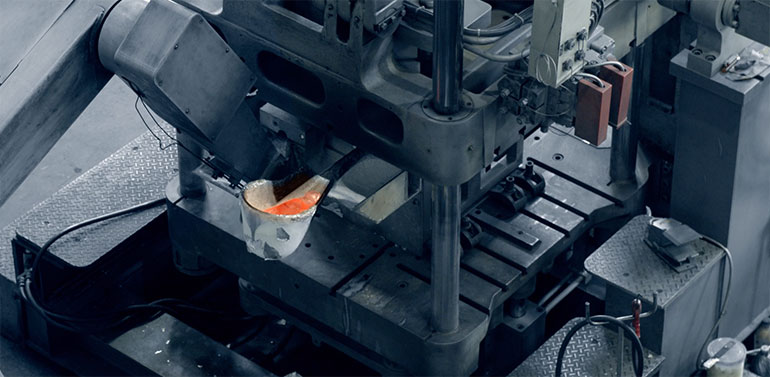
After the aluminum ingots are melted, the molten aluminum alloy is poured into a mold by gravity using automated equipment.
-
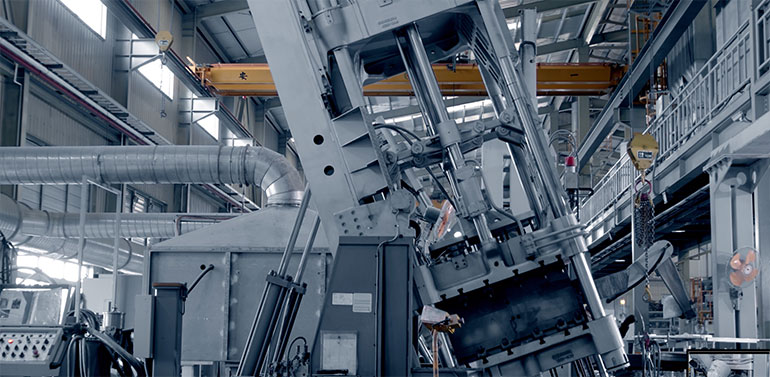
Ming Ming Aluminum uses an automatic tilting gravity casting machine, which allows molten aluminum alloy to flow smoothly into the mold cavity, avoiding casting defects such as air entrapment.
7
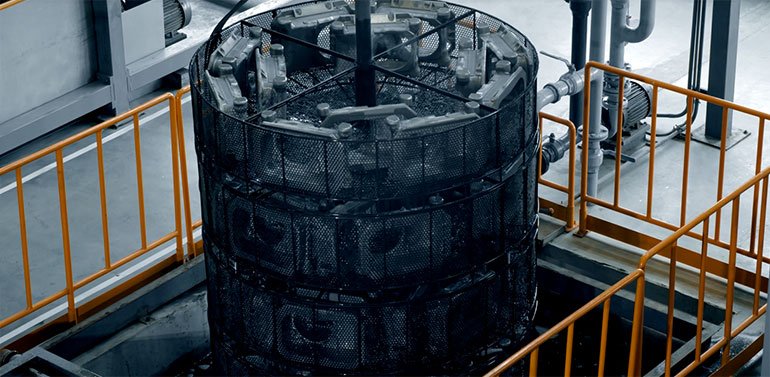
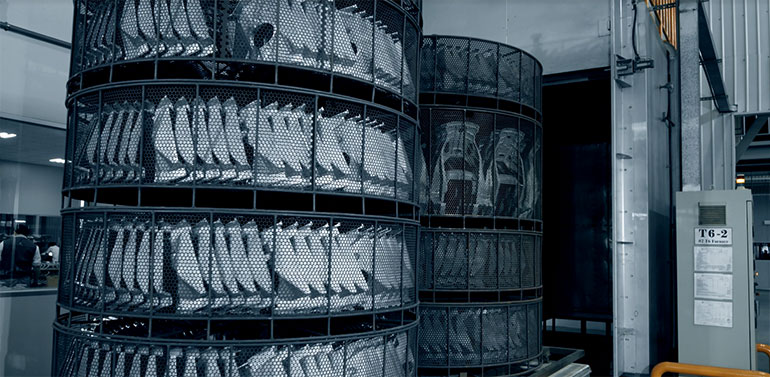
Heat treatment improves the mechanical properties of castings.
-
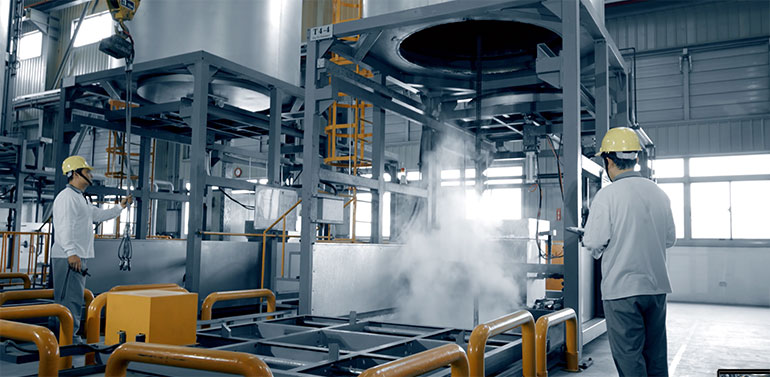
Post-casting heat treatment is used to improve the mechanical properties of castings.
-
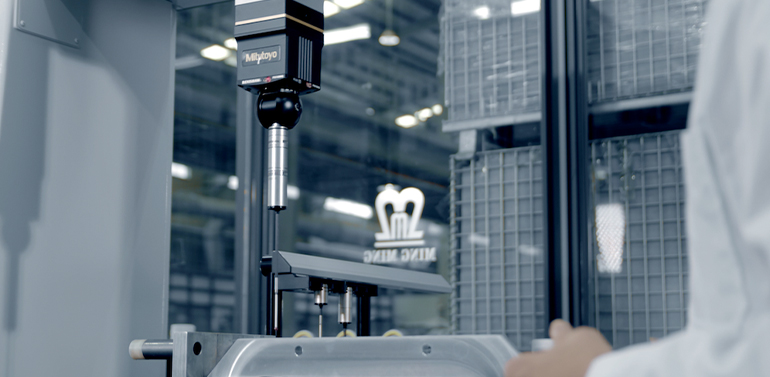
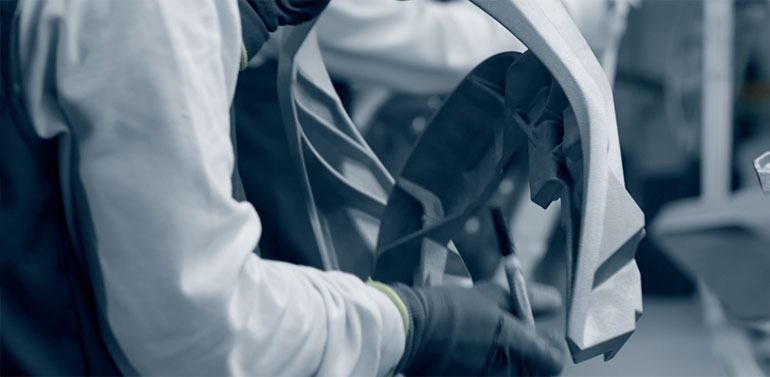
After heat treatment, quenched castings may exhibit very slight deformation. Therefore, Ming Ming uses instruments to perform thorough quality control measurements and then makes fine-tuning adjustments to the castings if necessary.