البصمة الكربونية للألمنيوم المعاد تدويره: كيف يمكن تحقيق التوازن بين الأداء والحوكمة البيئية والاجتماعية والمؤسسية؟
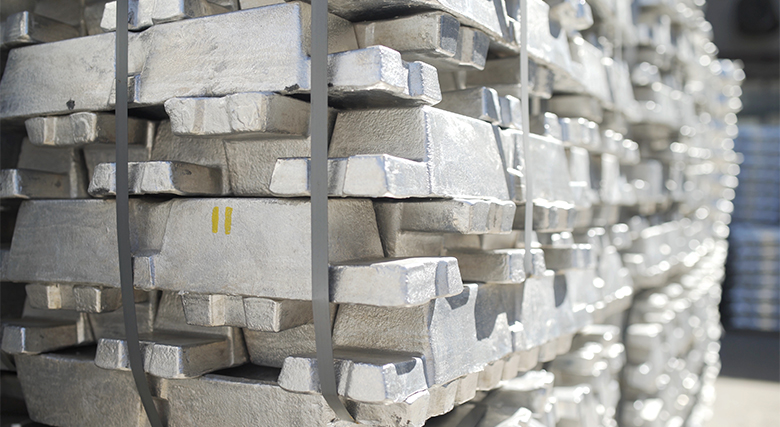
In today's world where carbon neutrality and supply chain transparency are the norm, recycled aluminum has become one of the preferred materials for gravity casting due to its low carbon footprint. Compared to primary aluminum (produced through alumina electrolysis), recycled aluminum can reduce energy consumption by 3–5% and carbon emissions by 80–95%, which is of great significance for companies' ESG and EU CBAM compliance. However, the key to simultaneously maintaining mechanical properties and stable mass production lies in "source control + process optimization".
The Carbon Footprint Challenge of Primary Aluminum
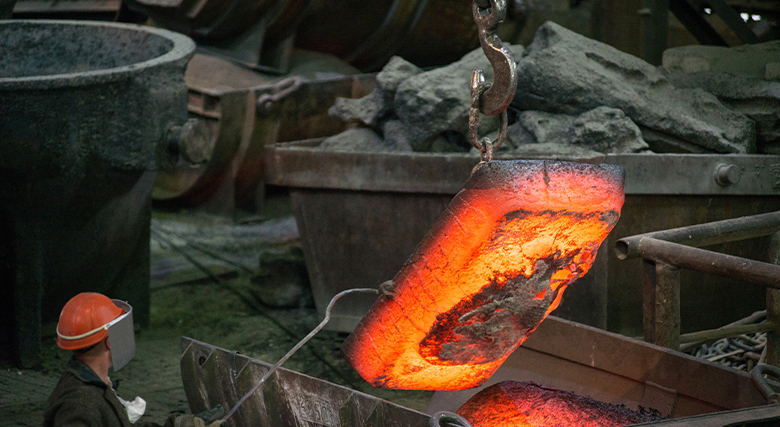
Aluminum is widely used in industries such as automotive, aerospace, and electronics due to its lightweight, corrosion resistance, and excellent thermal conductivity. However, the traditional production process of primary aluminum is energy-intensive. From mining bauxite and refining alumina to electrolytic reduction into primary aluminum, each step consumes a significant amount of electricity, resulting in a relatively high carbon footprint for primary aluminum. Faced with increasingly stringent environmental regulations and customer demands for green supply chains, finding more environmentally friendly alternatives is imperative.
Recycled Aluminum: A Green Choice for Significantly Reducing Carbon Footprint
Recycled aluminum, also known as secondary aluminum or recycled aluminum, is an aluminum alloy made from waste aluminum products (such as scrapped car parts, packaging containers, building materials, etc.) through recycling, sorting, smelting, and refining. Its most significant advantage is that it can greatly reduce energy consumption and carbon footprint.
Studies show that using recycled aluminum requires only about 5% of the energy needed to produce primary aluminum, which means a significant reduction in carbon emissions. Therefore, actively adopting recycled aluminum is not only fulfilling corporate social responsibility but also an inevitable choice in response to the global green transformation trend.
Performance Myth: Recycling Does Not Equal Quality Compromise
Many people worry that recycled aluminum will suffer from compromised performance, but the opposite is true. Modern aluminum recycling technology has reached an extremely high level:
- Purity Control: Through advanced smelting technology, the purity of recycled aluminum can reach over 99.7%, which is comparable to that of primary aluminum.
- Alloy Design: Precise composition control ensures that mechanical properties meet the requirements of various applications.
- Consistent Quality: A comprehensive raw material grading system has been established to ensure the consistency of quality in each batch of recycled aluminum.