Gravity Casting Process
Gravity casting typically includes the following steps:
- Understanding Customer Needs: The entire casting service process begins with understanding the customer's needs, such as the application of the casting, the choice of alloy type, size, shape, expected thickness of the casting, technical characteristics (e.g., tensile strength, maximum pressure resistance and elongation), structure and weight, etc.
- Casting Design and Model Making: This step is crucial for industrial parts, requiring precise calculations to ensure that different parts fit together and function effectively. Currently, model making is accomplished with the assistance of computer simulation, allowing for a high degree of accuracy. The simulated model is then created as a 3D shape to measure the accuracy of the mold core before final casting. Wood, clay, or plastic are commonly used materials for model making. Thanks to advancements in base material manufacturing technology, models can now be 3D printed.
- Mold Making: The next step is to manufacture the mold based on the confirmed model. Gravity casting is the process of creating reusable metal molds from metallic materials according to an ideal model.
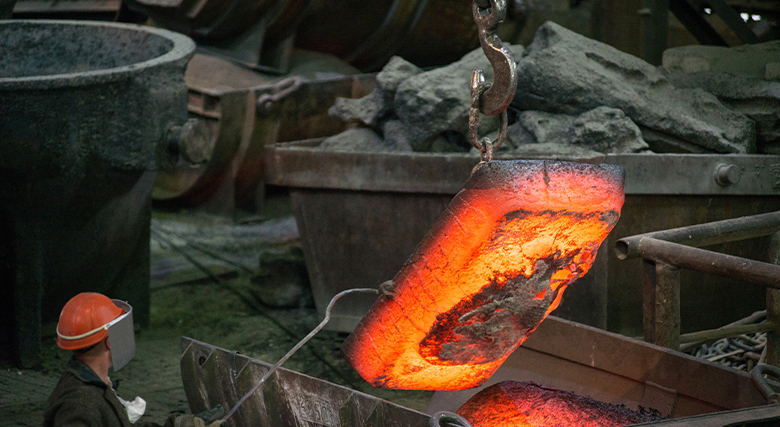
- Melting and Pouring Metal or Alloy: The metal is melted and then poured into a mold under gravity. Traditionally, this pouring process was done manually. Now, thanks to continuous advancements in casting technology, this pouring process has been automated, thus greatly increasing the efficiency of recasting production.
- Solidification: Once the mold is filled with molten metal, the molten metal begins to cool and solidify within the mold cavity, forming the desired shape of the final part.
- Remove the Solidified Casting: Once the metal has solidified and cooled sufficiently, the mold can be opened and the casting removed. The mold's permanence allows it to be used and cast multiple times before any significant degradation occurs.
- Finishing: The casting is removed from the mold and then finished. During this process, any casting material on the blank is removed, and rough edges and surfaces are smoothed. The casting is then further processed.
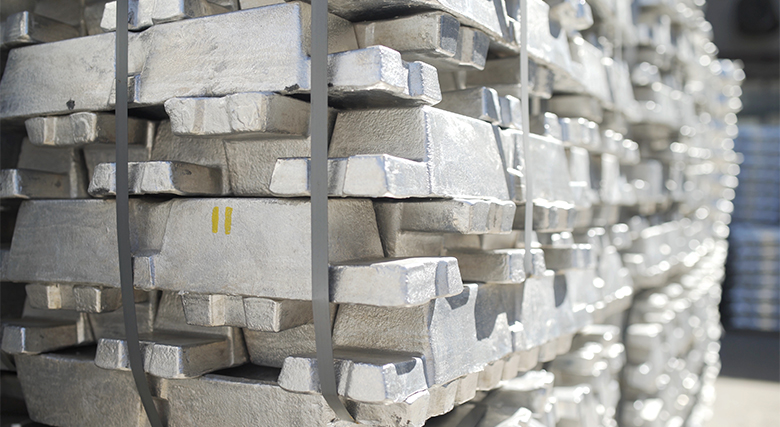
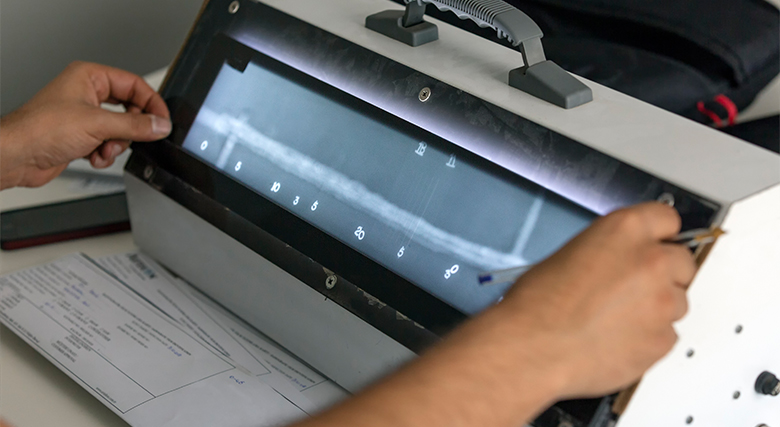
Ming Ming 's Gravity casting process. We carefully monitor the casting process to ensure that the casting results meet the customer's quality and specification requirements.