What types of materials are suitable for casting?
Metals Commonly Used in Gravity Casting
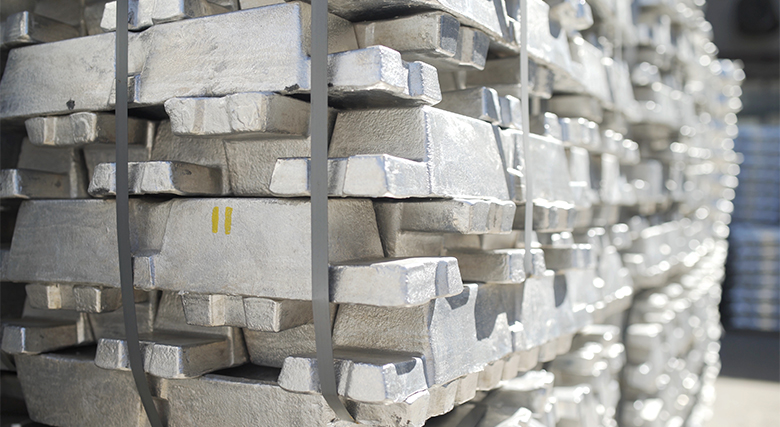
A wide variety of metals can be used in gravity casting, depending on the specific application and requirements of the finished casting. The choice of a specific alloy for gravity casting depends on factors such as desired mechanical properties, the casting process, and cost considerations.
Several metals commonly used in gravity casting include:
- Aluminum Alloys: Aluminum is one of the most popular metals for gravity casting, primarily due to its low density, high strength, and excellent corrosion resistance. Aluminum alloys used in gravity casting include A356, A380, and ADC12.
- Copper Alloys: These are multifunctional metals with excellent thermal and electrical conductivity, making them suitable for a variety of applications. Commonly used copper alloys in gravity casting include brass and bronze.
- Zinc Alloys: low cost and good castability, making them suitable for mass production. Zinc alloys used in gravity casting include Zamak 3, Zamak 5, and ZA-8.
- Magnesium Alloys: Lightweight metals with an excellent strength-to-weight ratio, making them ideal for applications where weight is a critical factor. Magnesium alloys used in gravity casting include AZ91 and AM60.
- Ferroalloys: Strong and durable, with good machinability, making them suitable for a variety of applications. Ferroalloys used in gravity casting include gray iron, ductile iron, and malleable cast iron.
Source: https://www.thomasnet.com/articles/custom-manufacturing-fabricating/alloy-die-casting/
What is the optimal composition for die-casting aluminum alloys?
The optimal composition of aluminum alloys for die casting depends on the specific application and performance requirements. Aluminum alloys are often used in die casting because of their excellent casting properties, including high fluidity, low melting point, and good corrosion resistance.
The most widely used aluminum casting alloys are Al-Si alloys, especially in automotive castings. For example, A356 alloy is used to manufacture engine assemblies and cylinder heads. Silicon-containing (4%–13%) aluminum alloys offer excellent castability and a wide range of properties. They are mainly classified as eutectic and hypoeutectic alloys (i.e., close to eutectic alloys), but supereutectic alloys can also be used in applications requiring high strength, low thermal expansion, and durability.
Here are some examples of commonly used aluminum casting alloys:
1. A380. This is the most commonly used die-cast aluminum alloy, favored for its excellent casting properties and good mechanical properties. This alloy contains approximately 8.5% silicon and 3.5% copper, giving it good fluidity and casting performance.
2. A356. This alloy is known for its excellent castability, good weldability, airtightness, and corrosion resistance. A356 aluminum alloy is commonly used in aircraft structures and automotive engine control units, and contains approximately 7% silicon, 0.45% magnesium, and 0.35% copper.
3. A413. This alloy is known for its excellent airtightness and resistance to heat cracking. A413 aluminum alloy has good casting properties and heat resistance, and contains approximately 12% silicon and 1% copper.
4. A360. This alloy is known for its good corrosion resistance and excellent dimensional stability. It contains approximately 8.5% silicon and 0.5% magnesium, which gives it good casting properties and heat resistance.
5. ADC12. This alloy, also known as A383, is commonly used in automotive applications due to its good mechanical properties and excellent corrosion resistance. ADC12 contains approximately 12% silicon, giving it good casting properties and heat resistance.
6. ALSi12. This alloy is a eutectic alloy that hardens at 577°C and is known for its excellent corrosion resistance and good casting properties. It contains approximately 12% silicon and 1% magnesium, thus exhibiting good casting properties and heat resistance.
What factors are considered when designing aluminum alloy composite materials?
1. Alloy Composition. The choice of alloying elements in aluminum alloy composites can significantly affect the mechanical, thermal, and chemical properties of the alloy. For example, copper, magnesium, zinc, and silicon can be added to aluminum to improve the alloy's strength, corrosion resistance, and other properties.
2. Reinforcement Type. The reinforcing materials added to the aluminum matrix also affect the properties of the composite material. Reinforcing agents can be in the form of fibers, particles, or filaments, and may include materials such as carbon, ceramics, or metals.
3. Strengthening the Ingredients. The dosage of reinforcing materials added to the aluminum matrix affects the mechanical and physical properties of the composite material. Generally, higher amounts of reinforcing agents produce stronger and harder composites, but may also increase the weight of the aluminum alloy.
4. Processing methods. The methods used to cast aluminum alloy composites affect the alloy's microstructure and properties. Composites can be processed using different methods, such as powder metallurgy, casting, or extrusion molding, to achieve specific properties.
5. External environmental factors. The performance of composite materials must also take into account the application, which may require exposure to specific environmental factors such as temperature, humidity, and chemical materials.
Overall, the design of aluminum alloy composites must balance these factors to produce composites that meet the performance requirements of specific applications, while also taking into account factors such as cost and manufacturing feasibility.
What aluminum alloys does Ming Ming Aluminum use for gravity casting?
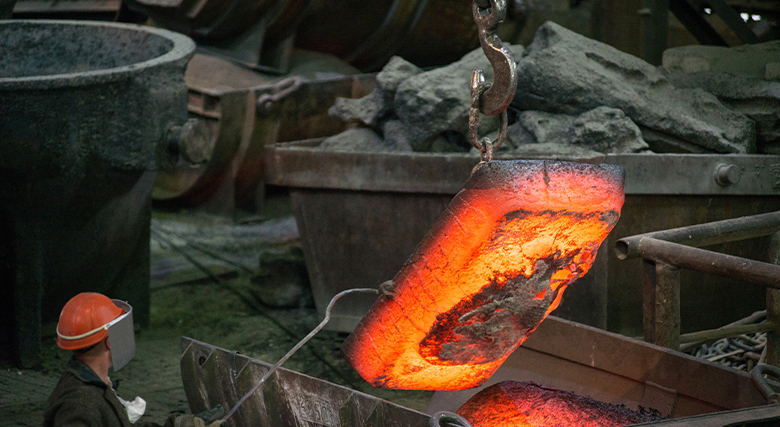
Because we supply high-quality automotive castings, we ensure that high-quality metals are added to our aluminum alloys. The primary material used in our castings is aluminum alloy, with small amounts of other high-quality materials added during the process. Since we produce recast parts, we require the molten alloy to withstand freezing conditions within the mold.
The aluminum alloys used at Ming Ming Foundry are close to eutectic alloys. The metallic composition of the alloy is close to its melting and solidification points. Furthermore, the presence of materials such as silicon, magnesium, and iron in the alloy composition gives our aluminum alloys excellent casting properties and good resistance to hot cracking. In addition, the alloy's most important characteristics are excellent machinability and high resistance to chemical corrosion.
The following is a brief overview of the aluminum alloys used by Ming Ming Aluminum:
- The chemical composition of aluminum alloy A356 is AlSi7Mg0.3, and it contains aluminum, silicon, and magnesium. A356 aluminum alloy is suitable for lightweight automotive parts.
- AC4B is strengthened through a turbulent casting process by varying the amount of boron carbide.
- Al-Si-Mg casting alloy (AC4C-T6) is widely used due to its good mechanical properties and light weight. AC4C-T6 has high machinability and can be used to cast parts with complex geometries.
- EN AC 42100-ENAC-AlSi7Mg0.3 is an aluminum alloy specifically designed to meet European standards. Compared to other aluminum alloys used by Ming Ming Foundry, this alloy has better tensile strength and is primarily used in the production of high-quality, lightweight spare parts.