Gravity Casting Process Quality Control
Quality control during the casting process is crucial to ensure that the produced castings meet the required specifications and standards. Here are some practices and strategies for effectively controlling quality during the casting process:
Quality Control Before Casting
1. Mold Design and Preparation:
The mold should have a properly designed gating and chute system to allow the molten metal to flow smoothly and minimize turbulence. Precision machining and maintenance of the mold are important for maintaining correct part dimensions and preventing casting defects.
2. Raw Material Selection:
Select a suitable metal alloy based on the required properties of the produced parts (such as strength, corrosion resistance, and thermal conductivity).
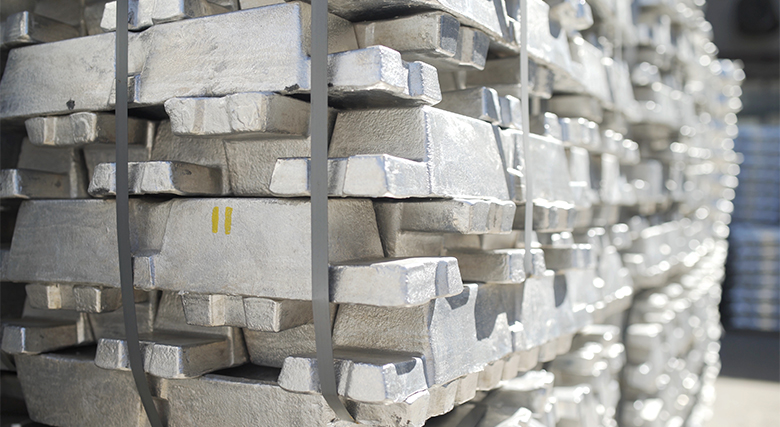
The quality and consistency of metal alloys need to be verified to prevent impurities and variations that could affect the casting process.
Quality Control During The Casting Process
3. Monitoring and Control of The Casting Process:
Advanced process monitoring tools and sensors can track key parameters during the casting process, such as temperature, pressure, and metal flow. A closed control system can use monitoring data to make real-time corrections, maintaining consistent casting conditions throughout the entire process.
4. Metal Melting and Preparation:
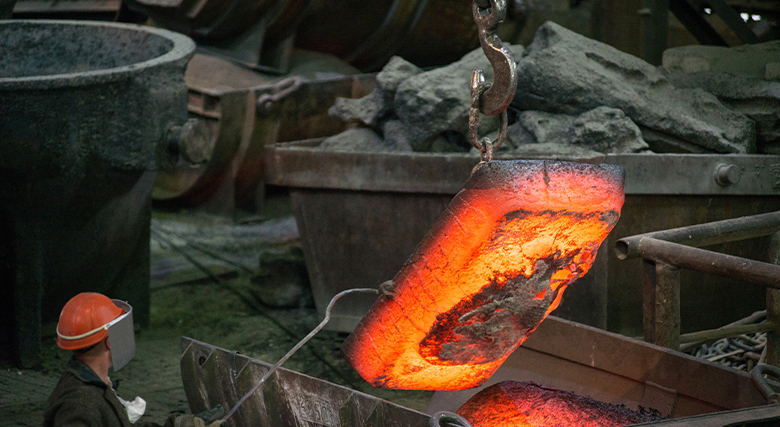
Proper melting and alloying techniques ensure a consistent alloy composition. Degassing and fluxing methods can help remove impurities and gases from molten metal, thereby improving casting quality.
5. Mold lubrication: Proper use of mold lubricant or release agent can prevent sticking and improve the flow of metal into the mold cavity.
6. Optimize Molten Metal Casting:
Adjusting the pouring speed of molten metal can optimize the flow of the molten metal and minimize defects such as porosity and bubbles.
7. Cooling and Solidification: Controlling the cooling rate helps achieve uniform solidification, reduces internal stress, and enhances mechanical properties.
Post-casting Quality Control
12. Quality Inspection and Testing:
- Regularly visually inspect for surface defects, dimensional discrepancies, and other issues.
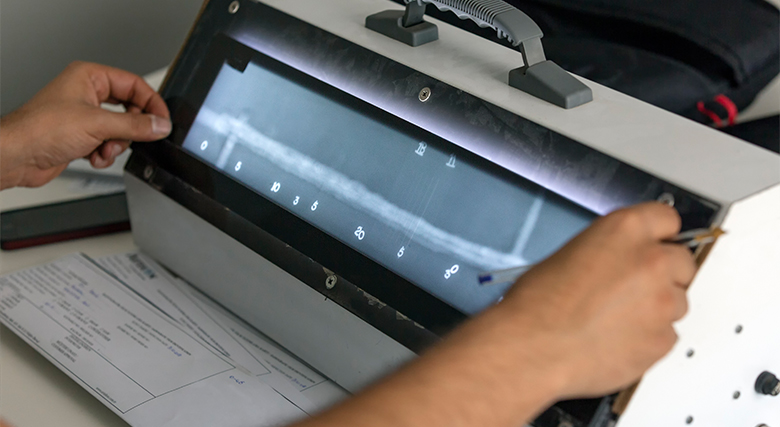
- Non-destructive testing methods such as X-ray, ultrasound, and dye penetrant testing are very useful for detecting internal defects.
13. Post-casting Processing: After casting, further processing steps such as trimming, deburring, machine tooling, and surface treatment are usually carried out to achieve the required specifications.
14. Documentation and Data Analysis: To continuously improve casting quality, the machining parameters, materials used, and quality inspection results for each casting must be recorded in detail. Then, by analyzing this data, we can understand casting trends, potential problems, and areas for process improvement.
15. Continuous Improvement: An organizational culture of continuous improvement helps ensure casting quality and customer satisfaction. This step involves employees in identifying and resolving inefficiencies and quality issues in the casting process.
How does Ming Ming monitor the casting process and control quality?
Gravity casting requires quality control throughout the entire process, from model design to final product inspection. Selecting the casting process, alloy, and technical specifications during initial discussions with the client is a crucial starting point.
During the casting process, the following parameters must also be monitored: the allowable shrinkage range and allowable machining range of the model, the design and control of the mold core and mold, the heating temperature of the metal, the gas content in the molten metal, the direction of pouring the molten metal, the speed and friction during pouring, the solidification time, and the shrinkage of the casting.
The cast parts should undergo quality management through methods such as dimensional measurement, chemical material analysis, material mechanical property analysis, metallographic analysis, and non-destructive testing. Click to learn more.
Ming Ming Recasting serves its customers according to the TORS principle and is committed to casting high-quality aluminum alloy castings at reasonable prices.